
Ruby-Throated Hummingbirds’ Flight And Southward Migration In Focus
The article discusses the fascinating biology and migration of hummingbirds, with a focus on the ruby-throated hummingbird prevalent on the East Coast. It highlights their incredible flight abilities, rapid metabolisms, unique feather coloration, nesting behaviors, and the challenges they face,…
 Greenville New Bern Washington, NC, October 21, 2026 —
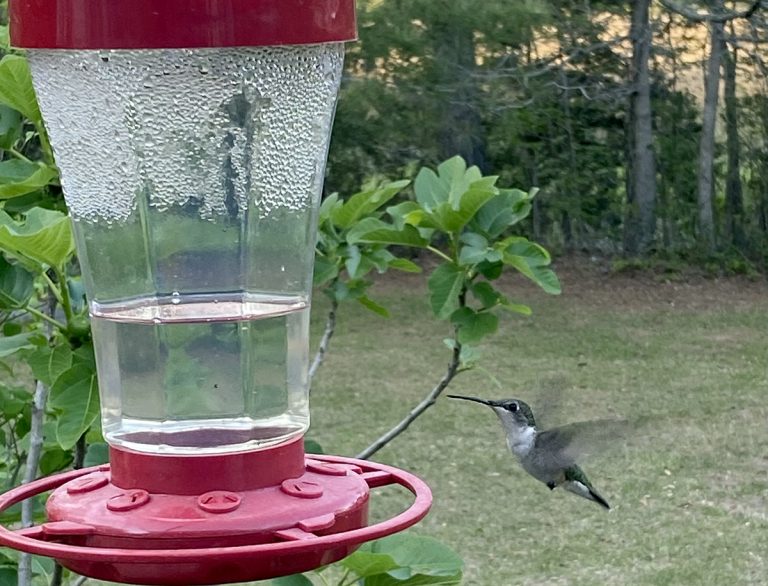
The ruby-throated hummingbird is the focus of an account of hummingbird biology and migration, with attention to birds found along the East Coast. The article describes their flight abilities, rapid metabolisms, distinctive feather coloration and nesting behaviors, as well as challenges they face as they prepare to travel south.
The account identifies predators as one of those challenges. It does not provide details about which predators are involved or how they affect the birds. It also does not specify when the southward journey takes place, how long it lasts, or where the birds ultimately go.
The migration discussion centers on hummingbirds in the Greenville-New Bern-Washington area and beyond. No population counts, individual routes or specific locations farther south are provided. The description presents the journey as a long one, but gives no distance or timetable.
The article’s focus is on the birds’ characteristics and the demands associated with migration, rather than on a particular event or a documented change in their numbers. It does not identify a researcher, organization or source for the information, and provides no specific findings about nesting or flight performance. Those details are not available in the supplied summary.
Together, the themes offer a broad overview of the ruby-throated hummingbird: its biology, nesting, and southward movement from the named regional area. The account highlights both distinctive traits and the presence of challenges, while leaving specific timing, destinations, migration data and further details about predators unstated.
Story summarized from the original created by Heidi S. Skinner on coastalreview.org, see more information here.
Media gallery

