Coastal Anglers in North Carolina Advised to Observe Subtle Cues for Improved Catches
An article about fishing in coastal North Carolina emphasizes how paying close attention to subtle environmental cues and fish behavior can lead to better catches. It suggests observing signs like surfacing longnose gar, understanding specific habitat preferences for speckled trout…
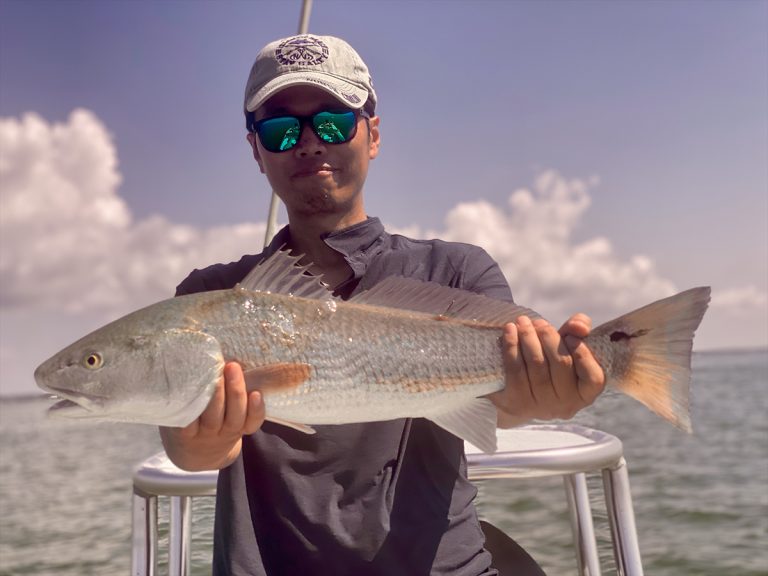
 Greenville New Bern Washington, NC, October 7, 2026 — Anglers fishing in the coastal waters of North Carolina are increasingly finding that success hinges on careful observation of environmental indicators and the subtle behaviors of fish. This approach emphasizes a deeper understanding of the marine ecosystem rather than relying solely on traditional methods.
The strategy involves paying close attention to a variety of signs. For instance, the appearance of surfacing longnose gar can signal specific underwater conditions or feeding activity. Understanding the preferred habitats of popular game fish, such as speckled trout and redfish, is also crucial for locating them effectively. These species often gravitate towards particular types of underwater structure or salinity levels.
Patience and keen observation of feeding patterns are highlighted as key components. Anglers who take the time to watch where and how certain fish are feeding can gain a significant advantage. This is particularly relevant when targeting species like false albacore, known for their rapid feeding frenzies.
Several specific locations along the North Carolina coast are noted for offering opportunities to practice these observational techniques. These areas include the expansive Core Sound, the well-known Bogue Sound, and the dynamic Barden’s Inlet. Each of these locales presents unique environmental characteristics that can be read to anticipate fish movements and feeding opportunities.
By focusing on these nuanced environmental cues and fish behaviors, fishermen can enhance their prospects for a more rewarding experience on the water, moving beyond guesswork to a more informed and responsive style of angling.
Story summarized from the original created by Capt. Gordon Churchill on coastalreview.org, see more information here.
Media gallery