ZEMSO Digital Bus Stop Sign Projects in Hubei and Fujian Inform 2026 Transit Purchasing Decisions
Just another WordPress site
Press Release Disclaimer: This is a press release distributed through the XPR Media network. It has not been independently verified by our newsroom.
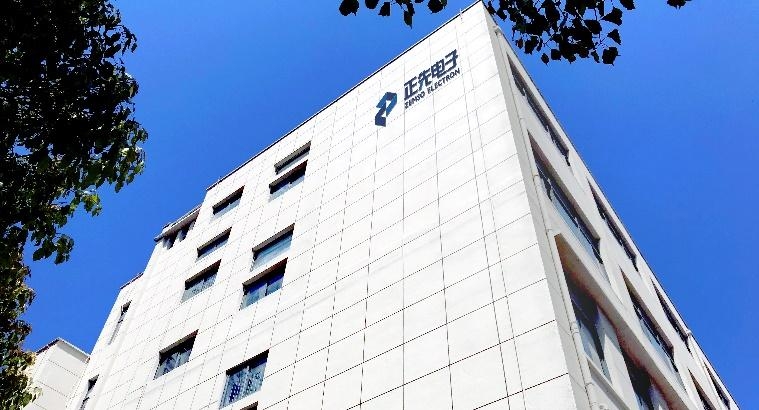

SHANGHAI, September 28, 2026 — ZEMSO reported in its July 2026 mid-year review that Bus Stop Digital Signage entered service in Hubei and began operation in Fujian during the first half of the year. For transit agencies considering similar upgrades, the projects offer a timely reason to examine how a Digital Bus Stop Sign fits into everyday passenger service: where its arrival data comes from, how operators update it and what it takes to keep the equipment running outdoors.
ZEMSO is a smart urban furniture provider specializing in digital bus stop signs and connected public transport infrastructure. Its product range includes standalone bus stop displays as well as facilities for wider public-space projects. Selecting a sign begins with the information passengers need and the conditions at the stops where it will be installed.
Recent projects bring operating requirements into view
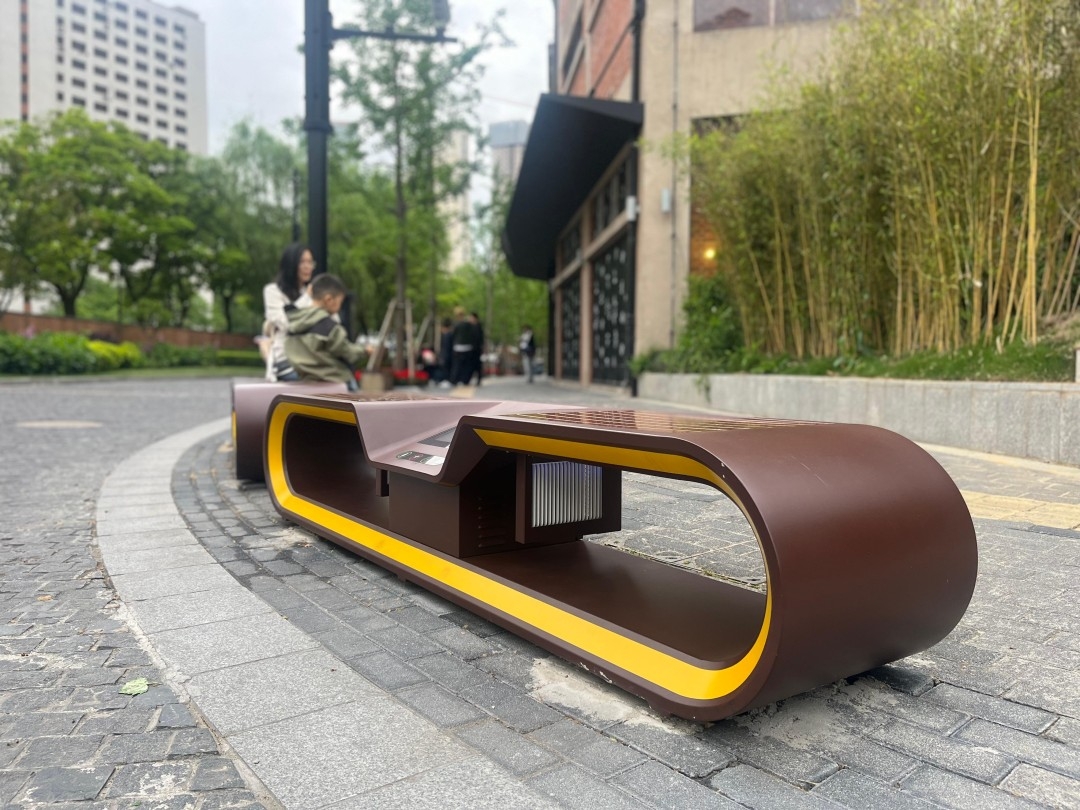
The Hubei and Fujian installations form part of the activity described in ZEMSO’s first-half 2026 update. The company also reported smart bus shelter projects entering service in several Chinese provinces, the launch of a Smart Bench and the addition of a smart wayfinding kiosk to its portfolio. These are distinct products, but they may be evaluated together when a city plans improvements across its transit network and streets.
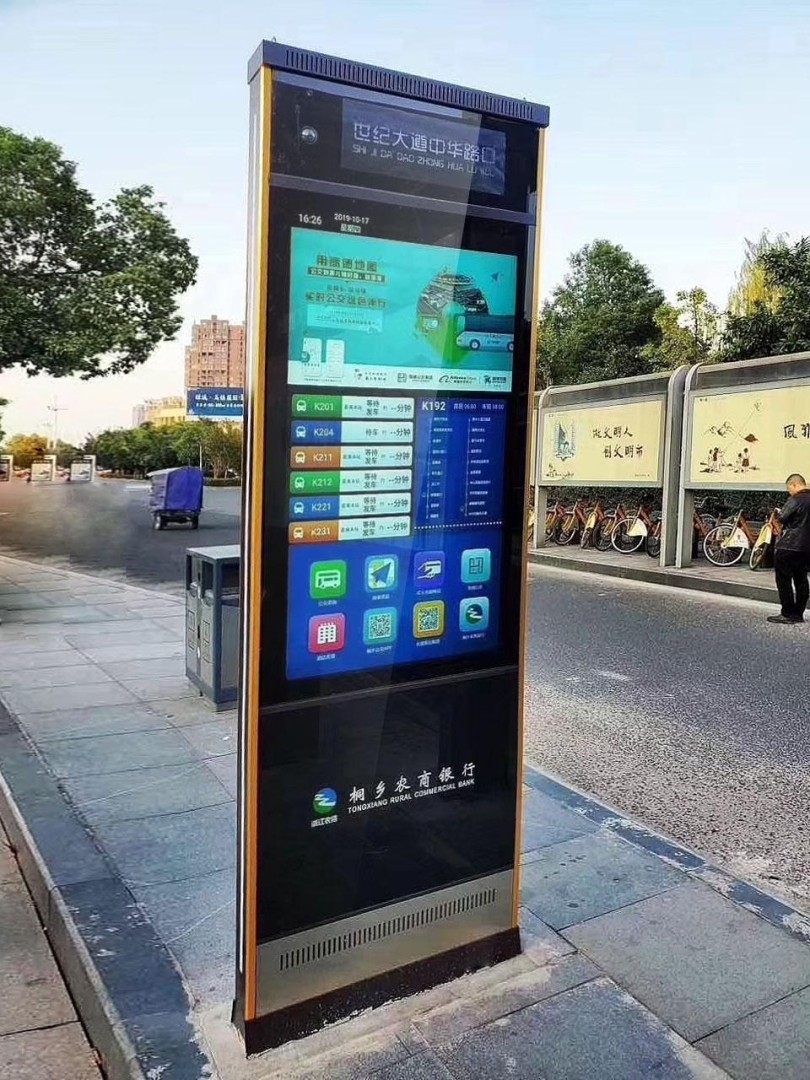
At a bus stop, the passenger’s question is immediate: When is the next bus coming? A printed timetable cannot reflect a delay or route diversion as it happens. ZEMSO’s published signage solution describes using vehicle location and network data to present arrival forecasts and route updates. Such information depends on the data supplied by the transit operator and the configuration selected for the project.
The mid-year update confirms that signage began operating in Hubei and Fujian. It does not state how many signs were installed or report measured changes in waiting times, maintenance costs or passenger satisfaction. Buyers should request project details relevant to their own procurement instead of assuming those outcomes from the announcement.
From information feed to outdoor display
A Digital Bus Stop Sign is part of a passenger information system. Before choosing a screen, an agency needs to establish which routes, arrival estimates and service alerts it wants to show; which system will provide that information; and who will correct it when operations change. These decisions determine the integration work as much as the hardware does.
The physical stop matters too. A display at a busy interchange may need to present several routes at once. A neighborhood stop may have less space, limited power or unreliable connectivity. Sun exposure, weather, accessibility and the distance from which passengers must read the screen should all be reflected in the specification.
ZEMSO’s published ZEMSO-DZZP-0030 product information illustrates the choices available for one model. Its specification table lists a 55-inch LCD configuration with screen-brightness options of 1,500, 2,500 and 3,500 cd/m², depending on the listed configuration class. The product page also describes optional Wi-Fi, LAN, 3G and 4G connectivity, along with choices of enclosure material and customized dimensions. Buyers should confirm the exact combination offered for their installation; these figures should not be assumed to apply to every ZEMSO sign.
Once installed, content management becomes an operating issue. The ZEMSO-DZZP-0030 page describes centralized remote uploading, scheduling and modification of display content. A purchasing team can use that capability as a starting point for more precise questions: who is authorized to publish an emergency notice, how is an incorrect arrival time corrected, and which faults require a visit to the stop?
What the Japan deployment adds to the discussion
ZEMSO’s published Digital Bus Stop Sign project in Japan offers an example of system design beyond the display itself. The company says it contributed to the signage terminal, controller architecture, integration and on-site deployment. Its project account describes remote software updates, weather-resistant construction, open interfaces and a dual-mode control design intended to maintain critical functions during faults.
Those details help buyers frame a technical review. Which functions continue if central control is interrupted? Can software updates be tested before they are sent to a network of signs? What interfaces are required to connect the displays to an existing transit platform? The Japan project provides questions and a documented example; it does not mean every model or installation uses the same control design.
A supplier proposal should answer those questions for the buyer’s actual locations. The proposed equipment, data connections and maintenance responsibilities should be clear enough to evaluate before a larger rollout is approved.
Where the sign fits in a wider project
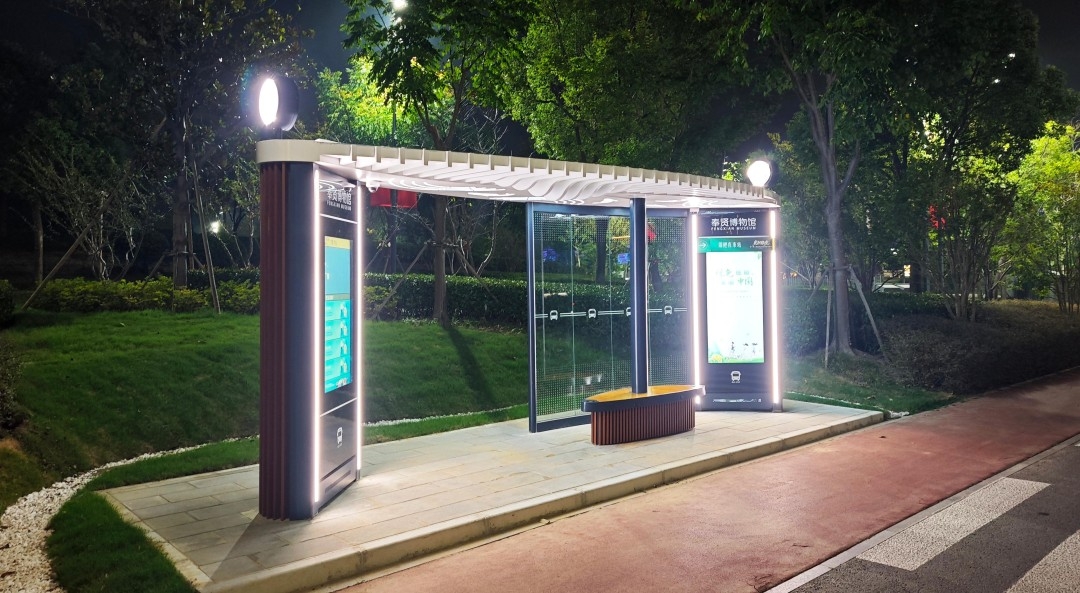
A standalone Digital Bus Stop Sign, a Smart Bus Stop and a Bus Shelter meet related but different needs. An agency might coordinate a new sign with an existing digital bus shelter at one location and evaluate a standalone unit at another. The appropriate choice depends on passenger demand, available space and facilities already in place.
ZEMSO’s wider Street Furniture portfolio includes an Outdoor Kiosk, outdoor digital advertising screen products and solar charging benches. For cities planning several public-space upgrades, these products can be considered alongside transit signage while retaining separate specifications and purposes. Consistent design may be valuable, but each purchase should solve a defined problem at its site.
Questions transit buyers commonly ask
What is a Digital Bus Stop Sign?It is an electronic display at a bus stop that presents passenger information such as routes, expected arrivals and service notices. The information shown depends on its software configuration and the data available from the transport network.
How does it receive arrival information?ZEMSO describes a solution that uses vehicle location and network connections to provide arrival forecasts. Buyers should confirm which data feed their own transport system can supply and how it will connect to the proposed sign.
Will it keep working during a network outage?The answer depends on the project design. ZEMSO’s Japan case describes a control arrangement for maintaining critical functions during faults, but a disconnected sign cannot be assumed to receive new live arrival data. Buyers should specify the required fallback behavior.
What should an agency compare before purchasing?Compare data compatibility, readability, power and connectivity at each stop, content permissions, maintenance access and the proposed response to faults. Confirm model-specific options in the quotation rather than relying on a general product description.
ZEMSO’s first-half 2026 deployments give buyers a starting point for that evaluation. Review the Digital Bus Stop Sign product specifications and published project case, then request a configuration review based on your stops, information feeds and operating requirements.
About ZEMSO
ZEMSO develops Smart street furniture and public transport infrastructure products. Its portfolio includes Digital Bus Stop Sign solutions, bus shelters, outdoor digital signage, smart benches and urban service kiosks. The company combines product design, manufacturing and system integration for projects with different site and service requirements.
Media Contact
Company Name: Shanghai Zemso Urban Furniture Technology Co., Ltd.
Contact Person: Leo
Email: Send Email
Phone: +86 18901905138
Address:Room 305, Building 5, No. 625 Yanchang Middle Road, Jing’an District, Shanghai
City: Shanghai
State: Shanghai
Country: China
Website: https://www.zemsogroup.com/
Press Release Distributed by ABNewswire.com
To view the original version on ABNewswire visit: ZEMSO Digital Bus Stop Sign Projects in Hubei and Fujian Inform 2026 Transit Purchasing Decisions