Conservation Groups Challenge USFWS Directive on Endangered Species Protections
Conservation groups are challenging a new U.S. Fish and Wildlife Service directive that narrows the definition of "take" under the Endangered Species Act, requiring intentional action against an animal rather than broader incidental harm. Critics argue this change weakens protections…
 Greenville New Bern Washington, NC, October 8, 2026 — Conservation organizations are raising objections to a recent directive issued by the U.S. Fish and Wildlife Service (USFWS) that alters the interpretation of “take” under the Endangered Species Act (ESA). The directive, according to critics, redefines the term to necessitate direct, intentional harm to a protected species, moving away from a broader interpretation that encompassed incidental harm.
The core of the challenge lies in the perceived weakening of protections for endangered and threatened wildlife. Under the ESA, “take” generally refers to harassing, harming, pursuing, hunting, shooting, wounding, killing, trapping, capturing, or collecting, or attempting to engage in any such conduct. The new directive reportedly narrows this definition, focusing on deliberate actions rather than activities that may incidentally harm species, even if not intended.
Critics argue that this shift in definition could have significant negative consequences for species recovery efforts. The broader definition of “take” has historically provided a crucial safety net, allowing for regulatory action against activities that, while perhaps not intentionally targeting wildlife, nevertheless cause harm or impede population recovery. The narrowing of this definition, they contend, may leave species more vulnerable to habitat destruction, pollution, and other indirect threats.
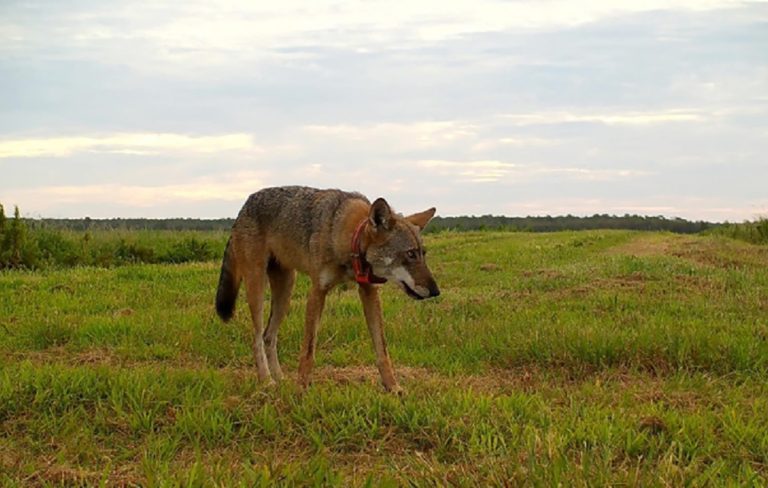
The potential impact of this directive is highlighted by concerns for species such as the red wolf. In North Carolina, recovery efforts for the red wolf population have faced numerous challenges. Conservationists fear that the new interpretation of “take” could further complicate these efforts by reducing the scope of actions that can be regulated to protect the species.
The specific conservation groups initiating the challenge have not been detailed in the provided summary. Similarly, the exact timeline of the directive’s issuance or the specific legal or administrative avenues being pursued by the groups were not disclosed. The U.S. Fish and Wildlife Service’s rationale for the revised interpretation of “take” was also not detailed.
The outcome of this challenge is anticipated to clarify the future application of the Endangered Species Act and its effectiveness in protecting vulnerable populations across the United States.
Story summarized from the original created by Catherine Kozak on coastalreview.org, see more information here.
Media gallery